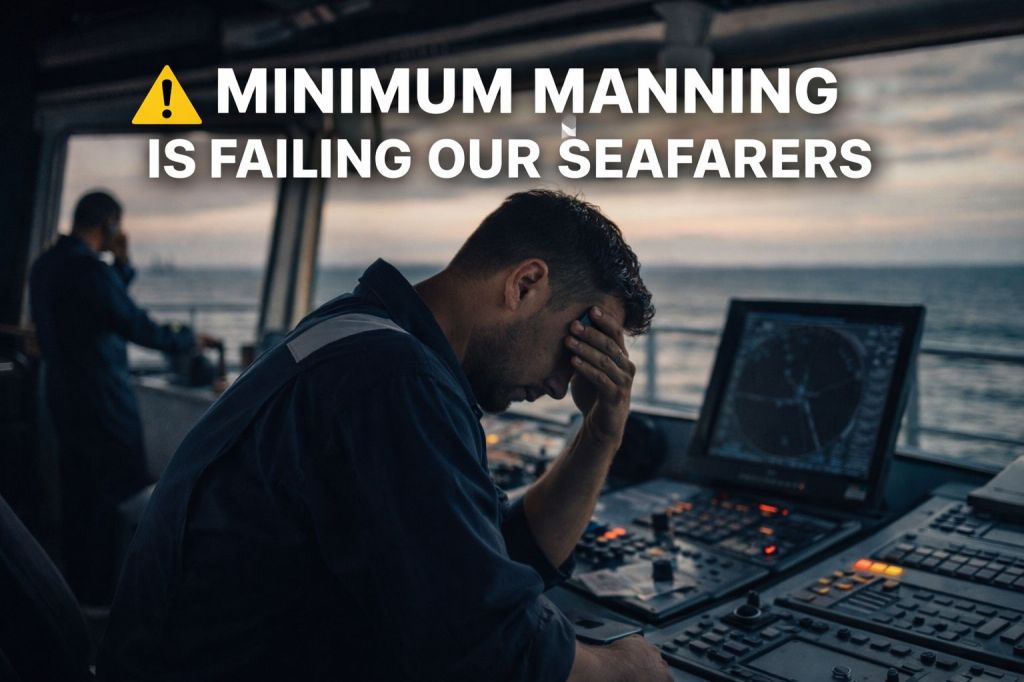
Challenges of Minimum Manning in Maritime Operations
Recent discussions within the maritime industry have highlighted significant concerns regarding minimum manning levels aboard vessels. The foundation of these concerns is rooted in the observable correlation between fatal maritime incidents and crew fatigue. As reported in various scenarios, fatigue is often cited as a critical factor contributing to operational mishaps, prompting a reevaluation of manning requirements and operational protocols.
The current framework of minimum manning laws primarily aims to facilitate basic vessel operations, determined by a criterion that seemingly disregards the multifaceted nature of contemporary maritime operations. Increased regulatory inspections, augmented compliance demands, and pressures from commercial stakeholders have dramatically raised the workload expectations placed on crew members without a corresponding increase in personnel. This systemic imbalance raises questions about the efficacy of existing regulations and their capacity to safeguard the welfare of the crew and the integrity of maritime operations.
Impact on Seafarers
Seafarers are currently facing heightened challenges associated with their work environments, which are characterized by minimal staffing levels. The approach of operating under a stringent manning framework creates an environment where crew fatigue becomes not only common but an entrenched issue. Many seafarers report feelings of unease regarding the ability to express fatigue or operational inefficiencies due to fears of job security and contract repercussions.
As workloads escalate alongside the complexities of maritime operations, it becomes increasingly critical to scrutinize the definition and standards of “minimum safe manning.” Simply stated, optimal safe manning should yield a sustainable operational model that allows for adequate rest, effective performance, and, most importantly, safety. When crew members are stretched beyond reasonable limits, the implications for safety not only threaten individual well-being but can also have catastrophic effects on maritime operations as a whole.
Industry Outlook
Looking ahead, the maritime industry must engage in a thorough reassessment of manning regulations, given the increasing rate of incidents attributed to crew fatigue. Stakeholders must consider not only compliance but also the overarching need for a robust framework that prioritizes the well-being of seafarers.
Industry leaders and regulatory bodies are urged to facilitate dialogue surrounding realistic manning requirements reflective of contemporary operational demands. It is critical to ascertain that manning levels adequately address modern challenges while considering workload harmonization and mental health support for seafarers. A shift towards more inclusive and flexible policies could foster an environment in which seafarers are empowered to perform their duties without sacrificing their safety or well-being.
Editor’s Perspective
The Harsh Truth is that everyone in this industry knows minimum manning levels aren’t adequate. That’s no longer the debate. Minimum Safe Manning was designed to move a vessel from A to B. It was never built to absorb two decades of compliance growth paperwork, vetting, audits, PSCO inspections, cyber logs, ISM documentation, all piled onto the same crew numbers.
We added the workload. We kept the headcount. Then we wrote “human error” in the report.
The other uncomfortable truth-Seafarers know that raising fatigue through official channels can quietly follow them to their next contract. So they stay silent. And the system loses the only data it needs to fix itself.
Different ships. Same reports. Same inaction.
 Capt Cibeesh
Leave a comment